Winmark Corporation:
Navigating Negative Equity and Maintaining Solvency
How an asset-light franchise model generates robust cash flows despite aggressive shareholder returns
Key Metrics
Understanding Winmark's Negative Equity
Accounting Reasons for Negative Shareholders' Equity
Winmark Corporation's persistent negative shareholders' equity, reported as a deficit of $45.94 million in Q1 2025 [1], is a significant financial characteristic arising from specific accounting treatments and strategic financial decisions. This condition, where total liabilities exceed total assets, is largely attributed to the company's aggressive share repurchase program [3] [42].
Key Insight
When a company buys back its own shares, the expenditure is accounted for as a reduction in shareholders' equity. Over time, substantial buybacks funded through earnings or debt can deplete retained earnings and other equity components, potentially leading to a negative balance.
The AIpha.io analysis explicitly states that Winmark's "Negative P/B ratio (-27.85) reflects accumulated deficits from share buybacks." For instance, in 2022, Winmark repurchased 226,165 shares at a total cost of $49.1 million [10].
The Role of Share Buybacks and Dividend Policy
Winmark Corporation's strategy of aggressive share buybacks and consistent dividend payments has played a central role in shaping its negative shareholders' equity position. The company's 10-K filings provide clear evidence of this strategy.
Share Buybacks
Total cost of repurchasing 226,165 shares in 2022
Dividend Payments
Total dividends paid in 2024 ($12.3M regular + $26.5M special)
Winmark's Business Model: The Engine of Continued Operations
The Franchise Model: Asset-Light and Cash Flow Generative
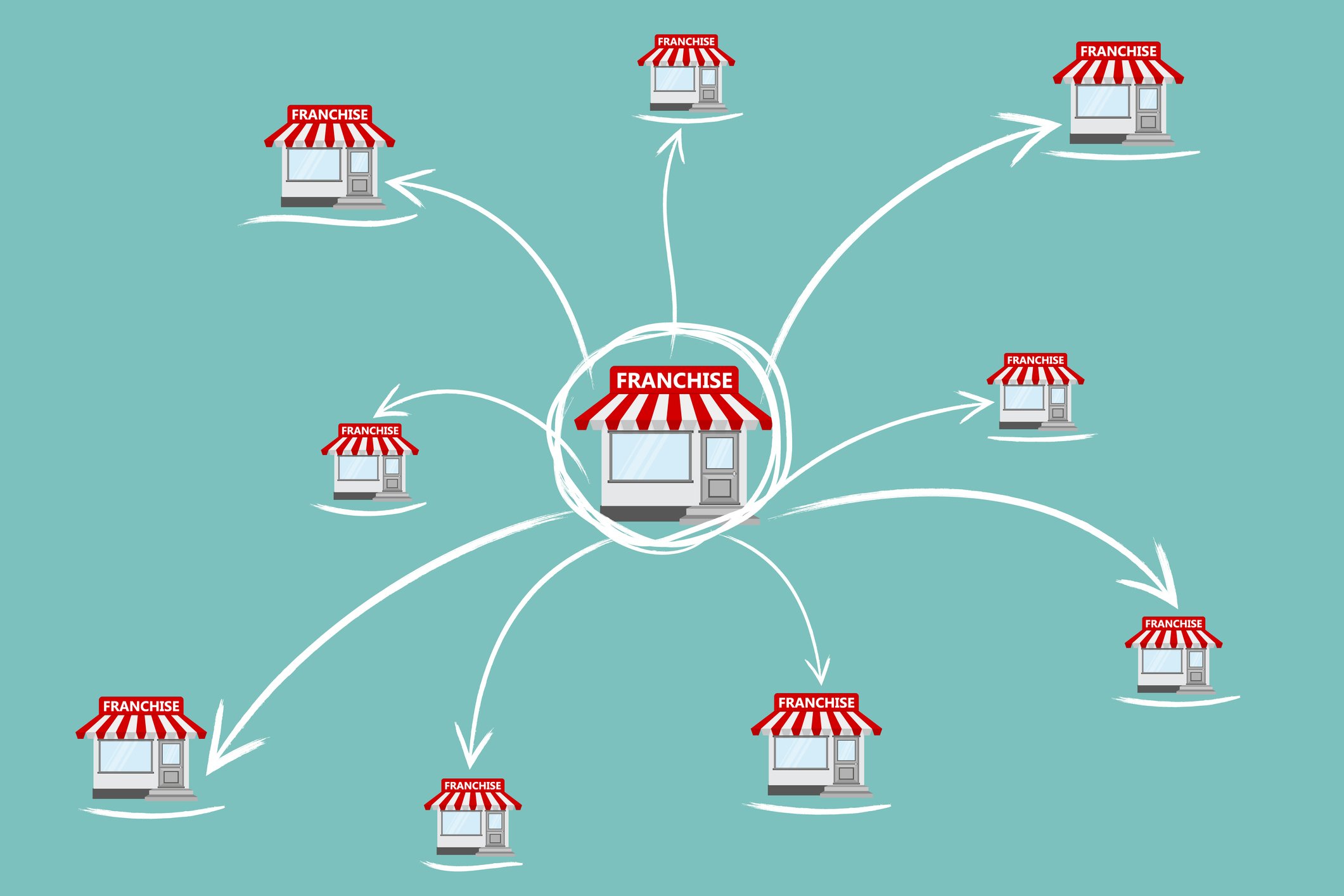
Winmark Corporation's ability to continue operating successfully despite a negative equity position is largely attributable to its franchise-based business model. This model is inherently asset-light, meaning the company does not need to invest heavily in physical store locations, inventory, or a large direct workforce for its franchise brands like Plato's Closet, Once Upon A Child, Play It Again Sports, Style Encore, and Music Go Round [9] [73].
Instead, individual franchisees bear the capital costs of establishing and operating their stores. Winmark's primary revenue streams under this model are royalties (a percentage of franchisee sales), franchise fees (paid when new franchise agreements are signed), and leasing revenue from its Wirth Business Credit subsidiary [1] [721].
Franchise Network Growth
Profitability and Revenue Streams Despite Negative Equity
Despite the accounting anomaly of negative shareholders' equity, Winmark Corporation has consistently demonstrated strong profitability and diverse revenue streams, fundamental to its continued operations. In Q1 2025, Winmark reported a net income of $9.96 million, an increase bolstered by higher royalty and leasing revenue [1] [145].
Exceptional Performance Metrics
Solvency vs. Negative Equity: How Winmark Manages
Strong Operating Cash Flow and Liquidity Position
Winmark Corporation's ability to remain solvent despite a negative equity position is primarily underpinned by its robust operating cash flow and healthy liquidity. Solvency, in practical terms, refers to a company's capacity to meet its long-term financial obligations, heavily dependent on cash generation.
Cash Flow Coverage Analysis
Q1 2025 Cash Flow Position
The AInvest article explicitly states that "cash flow reigns supreme" when assessing Winmark's financial health, highlighting that the negative equity is counterbalanced by these strong cash flow metrics. The company's Q2 2025 results further underscored this resilience, with operating cash flow surging 12.7% to $24.1 million [11].
Debt Servicing and Leverage Considerations
While Winmark Corporation operates with negative shareholders' equity, its ability to service its debt and manage leverage is critical to its continued solvency. The company carries debt, including a $30 million term loan and $30 million in notes payable, with interest rates ranging from 3.18% to 4.75% [1] [145].
Comparative Analysis: Winmark in Context
Other Companies with Negative Equity
Winmark Corporation is not alone in operating with negative shareholders' equity while remaining a viable and profitable business. Several other well-known companies have navigated similar financial landscapes, often due to strategic financial decisions rather than underlying operational weakness.
Strategic Financial Engineering
The phenomenon of companies operating with negative equity can sometimes be a result of deliberate "financial engineering." In Winmark's case, the negative equity is largely attributed to aggressive share buybacks and consistent dividend payments [3] [10].
Market Performance Insight
An asset management firm's analysis of U.S. stocks from 1993 to 2017 found that companies with negative equity actually outperformed the general market, with an annualized return of 12.3% compared to the market's 11.6% [17].
Financial Analyst Perspectives on Winmark
Risk Assessment
- • Negative equity and concentrated US exposure
- • Reliance on debt-funded share buybacks
- • Vulnerability in rising rate environments
- • High P/E ratio of 32.4 vs industry 25
Valuation Concerns
- • P/E ratio of 40.24 demanding growth
- • Intrinsic value estimates: $147.58-$161.90
- • Current price: $380.48 (overvalued by 61%)
- • Full valuation leaves little margin for error
Strengths
- • Exceptional profitability (45% net margins)
- • Strong cash flow coverage of dividends
- • Quality franchise business model
- • Robust interest coverage (17.62x)
Assessment of Risks: High Leverage and Valuation Concerns
Financial analysts acknowledge Winmark Corporation's strong profitability but also highlight significant risks associated with its financial structure, primarily its negative equity and leverage. AIpha.io points out that Winmark's "negative equity and concentrated US exposure create risks" [3] [42]. The negative book value, which deepened to -$13.005 per share in Q1 2025 [3] [199], is a direct result of accumulated deficits from share buybacks.
Views on Dividend Sustainability and Long-Term Viability
Financial analysts generally view Winmark Corporation's dividend as sustainable in the near to medium term, primarily due to its strong and growing operating cash flow, which comfortably covers dividend payments. The AInvest article explicitly states that Winmark's "dividends remain comfortably covered" by its operating cash flow.
Analyst Consensus
The overall sentiment reflects a quality business model weighed by balance sheet risks and full valuation. While current operations are strong, the financial structure creates vulnerability to economic downturns or rising interest rates.
Conclusion
Winmark Corporation's negative equity position represents a strategic choice rather than operational weakness. The company's asset-light franchise model generates robust cash flows that comfortably cover operational needs, debt service, and shareholder returns.
While financial risks exist, particularly around leverage and valuation, Winmark's business model demonstrates that negative equity does not necessarily equate to insolvency when supported by strong, recurring cash generation.